








Institutional Capital and the 2025 Altcoin Correction: A Strategic Repricing
The 2025 cryptocurrency market correction saw altcoins plunge over 66%, but institutional investors view this as a strategic repricing opportunity. As Wall Street shifts focus from hype to...

Key Takeaways
- The 2025 cryptocurrency market correction saw DeFi and smart contract platforms decline over 66%, representing a strategic repricing rather than market failure
- Institutional investors are shifting focus from speculative hype to revenue-generating protocols with proven utility, evidenced by expanding ETF offerings from major firms like Morgan Stanley
- Networks like Solana and Tron are leading in actual fee generation and organic usage, attracting sophisticated institutional capital
- 2026 is expected to mark a transition from capitulation to accumulation, with regulatory clarity and institutional adoption driving sustainable growth
The Great 2025 Repricing: Why Institutional Capital is Eyeing the Altcoin Dip
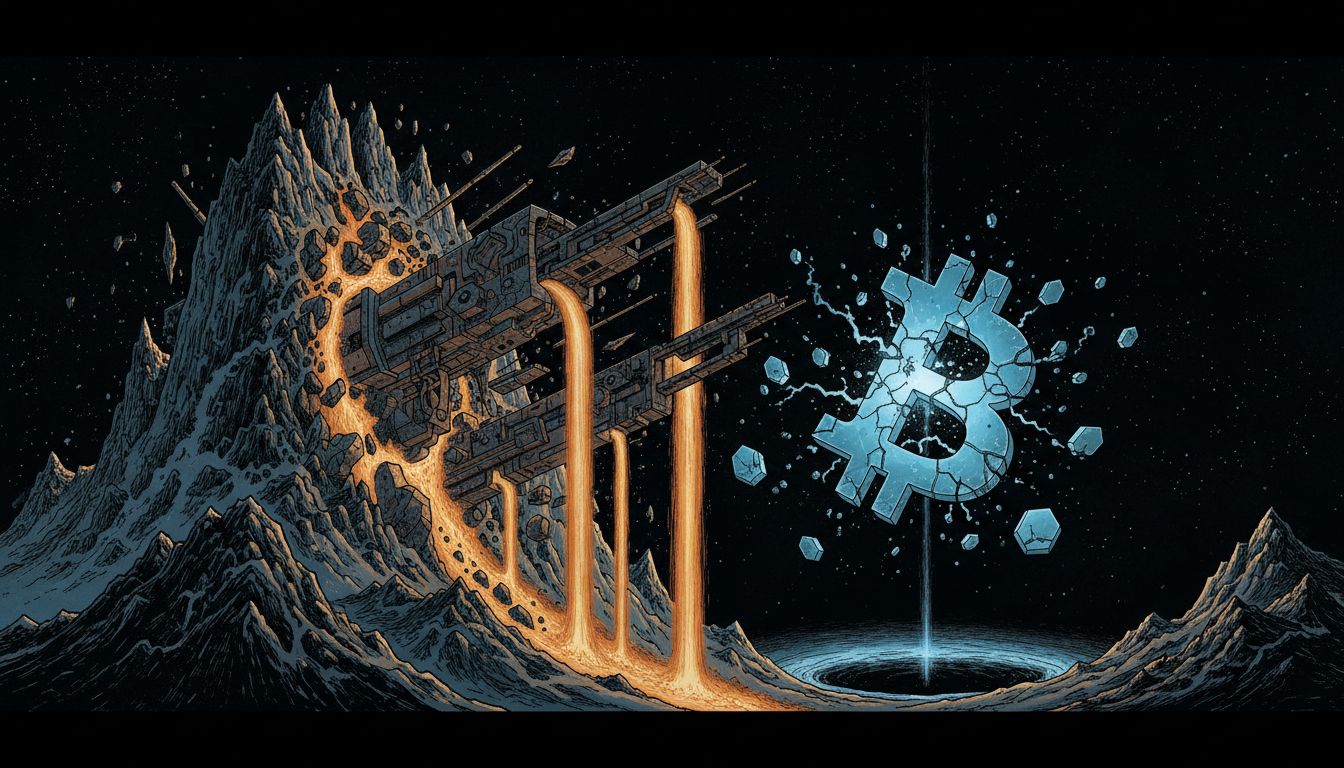
The cryptocurrency landscape underwent a dramatic shift in 2025, with Decentralized Finance (DeFi) and smart contract platforms witnessing a valuation collapse exceeding 66%. While these figures might suggest a market in crisis, seasoned analysts view this downturn as a sophisticated “repricing” event. This calibration is setting the stage for institutional heavyweights to enter the space at valuations that align with traditional fundamental analysis rather than retail-driven speculation.
Table Of Content
- Key Takeaways
- The Great 2025 Repricing: Why Institutional Capital is Eyeing the Altcoin Dip
- Revenue Over Hype: The New Valuation Standard
- The 2026 Outlook: From Capitulation to Accumulation
- Frequently Asked Questions
- What caused the 66% decline in DeFi and altcoin valuations in 2025?
- How are institutional investors changing their approach to cryptocurrency investments?
- What makes 2026 a potential turning point for the cryptocurrency market?
The divergence between Bitcoin and the broader altcoin market has never been more pronounced. While the premier digital asset maintained its resilience, the wider ecosystem faced a harsh winter. Leading market strategists argue that this correction isn’t a sign of failure but a necessary cleansing of the sector. As the market sheds excess leverage, it paves the way for a multi-year onboarding process where institutional capital focuses on blockchain networks that demonstrate genuine adoption and sound economic structures.

Revenue Over Hype: The New Valuation Standard
The era of valuing digital assets based solely on future promises appears to be coming to an end. Today’s sophisticated investors are prioritizing organic usage and fee generation. Recent data highlights this transition, with networks like Solana and Tron leading the charge in revenue creation. This shift in sentiment is evidenced by the “five-asset” strategy frequently adopted by large-scale investors, who are increasingly rotating capital into protocols with proven utility.
Institutional interest is manifesting in tangible ways, most notably through the expansion of regulated investment vehicles. Wall Street titans, including Morgan Stanley, are aggressively filing for various cryptocurrency exchange-traded funds (ETFs). By moving beyond Bitcoin to include Ethereum and Solana-based products, these financial institutions are signaling a deep-rooted commitment to the underlying technology of decentralized networks.

The 2026 Outlook: From Capitulation to Accumulation
Predictions for the coming year remain a mosaic of caution and optimism. While some analysts anticipate a local bottom for major assets like Ether in the first quarter of 2026, many see a durable low forming that will spark a significant year-end rally. The clearing of speculative leverage throughout the past year has finally brought valuations back to levels that meet the strict entry thresholds of institutional risk committees.
With bipartisan legislative progress and a maturing regulatory framework, 2026 is poised to be a pivotal turning point. The narrative is shifting from a volatile “repricing” phase toward a period of sustained accumulation. As digital assets become anchored in long-term institutional adoption, the focus will likely remain on the protocols that serve as the fundamental plumbing of the future financial system.
Frequently Asked Questions
What caused the 66% decline in DeFi and altcoin valuations in 2025?
The 2025 decline was primarily driven by a market-wide repricing event that cleared excessive leverage and speculation from the cryptocurrency sector. This correction represented a shift away from retail-driven hype toward fundamental valuations based on actual revenue generation, user adoption, and economic sustainability. Institutional investors view this as a necessary cleansing that brings asset prices in line with traditional valuation metrics rather than speculative promises.
How are institutional investors changing their approach to cryptocurrency investments?
Institutional investors are now prioritizing protocols with proven utility, organic usage, and tangible fee generation over speculative assets based on future potential. Major financial institutions like Morgan Stanley are expanding their cryptocurrency offerings through regulated ETF products that go beyond Bitcoin to include Ethereum and Solana. This shift is characterized by strict due diligence, focus on networks with real-world adoption, and adherence to traditional fundamental analysis frameworks.
What makes 2026 a potential turning point for the cryptocurrency market?
2026 is expected to mark a transition from market capitulation to institutional accumulation, driven by several key factors: the completion of the repricing phase that brought valuations to institutional entry points, advancing bipartisan legislative progress providing regulatory clarity, and the maturation of the cryptocurrency infrastructure. With speculative leverage cleared from the system, institutional capital can now deploy at valuations that meet their risk management criteria, setting the stage for sustained, fundamentally-driven growth.

No Comment! Be the first one.